ASML Stock Soars: AI Demand Drives Growth
ASML's stock is on the rise as the company raises its 2026 guidance, driven by robust demand for AI semiconductors. This article explores the factors behind ASML's growth, the company's strategic plans, and the broader implications for the semiconductor industry.
Introduction
ASML's recent guidance update, projecting significant growth driven by AI semiconductor demand, underscores the pivotal role this technology is playing in shaping the future of the semiconductor industry.
Background/Context
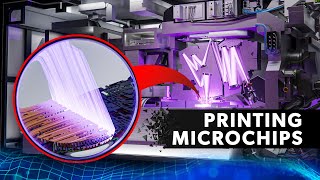
Founded in 1984, ASML has become a key player in the semiconductor manufacturing industry. The company's advanced lithography machines are essential for producing the latest chips that power everything from smartphones to supercomputers. Historically, ASML's innovations have set industry standards, with their Extreme Ultraviolet (EUV) lithography technology revolutionizing chip manufacturing.
Current Situation
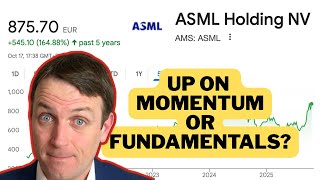
According to ASML's latest financial disclosures, the company has raised its 2026 revenue guidance significantly, citing an unprecedented surge in demand for AI-driven semiconductor solutions. This demand is largely fueled by advancements in machine learning, data analytics, and the proliferation of IoT devices. Industry sources indicate that ASML's stock price has responded positively, reflecting investor confidence in the company's growth trajectory.
Deep Analysis
The surge in AI semiconductor demand can be attributed to several underlying factors. First, the exponential growth in data generation necessitates more powerful processing capabilities, which AI chips are uniquely positioned to provide. Furthermore, ASML's strategic partnerships and investments in R&D have fortified its market position, enabling it to capitalize on emerging trends. Stakeholders in the semiconductor ecosystem, including chip designers, manufacturers, and end-users, are increasingly reliant on ASML's cutting-edge technology to meet their needs.
Impact/Outlook
In the short term, ASML is expected to see continued revenue growth, as indicated by its updated guidance. Long-term scenarios suggest that as AI technologies become more integrated into everyday applications, the demand for advanced semiconductors will only increase. This presents opportunities for ASML to expand its market share further, although it also faces challenges such as supply chain constraints and geopolitical tensions that could impact production and distribution.
Practical Implications
For investors, ASML's positive outlook presents a compelling case for investment, though they should remain vigilant about potential risks. Industry professionals can leverage ASML's advancements by integrating state-of-the-art AI chips into their products, enhancing performance and efficiency. Furthermore, policymakers and regulators should consider the implications of this rapid technological progress to ensure fair competition and address any potential ethical concerns.
Key Takeaways
- ASML has raised its 2026 revenue guidance amid strong AI semiconductor demand.
- The company's strategic focus on EUV lithography positions it as a leader in the industry.
- Short-term growth is expected, but challenges such as supply chain issues remain.
- Long-term demand for AI chips presents significant opportunities for ASML.
- Stakeholders should consider both investment potential and technological integration.
- Regulatory considerations are crucial as AI technologies continue to evolve.