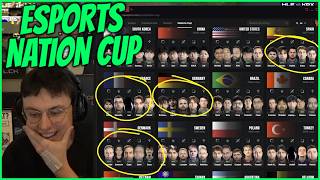
BrokenBlade Represents Turkey in Esports Nations Cup
BrokenBlade's decision to represent Turkey at the Esports Nations Cup is generating significant buzz. This move highlights the growing importance of esports as a national and cultural phenomenon. We dive into the implications for Turkey and the global esports landscape.

Introduction
BrokenBlade, a renowned esports player, is making headlines with his decision to represent Turkey at the Esports Nations Cup. This development underscores the increasing prominence of esports in national representation and its cultural significance.
Background/Context
The rise of esports has been a global phenomenon over the past decade, transitioning from niche hobby to mainstream competitive sport. According to Newzoo, the global esports audience reached 495 million in 2020, highlighting its rapid growth. BrokenBlade, born Sergen Çelik, is a professional League of Legends player who has made significant strides in the international esports arena.
Historically, Turkey has had a vibrant gaming community, with local tournaments and a passionate fanbase. However, representing the nation on an international stage is a relatively new development, emphasizing Turkey's commitment to gaining recognition in the global esports community.
Current Situation
Currently, the Esports Nations Cup is gaining traction as a premier event where countries compete for supremacy in various games. BrokenBlade's choice to represent Turkey is particularly noteworthy as it brings attention to the nation's emerging talent pool and potential in esports. According to industry sources, Turkey's gaming market is expected to grow by 9% annually, driven by increased investment and youth participation.
BrokenBlade has been a pivotal figure in esports, known for his strategic gameplay and leadership. His decision to play for Turkey has been well-received by fans and critics alike, positioning him as a national ambassador in the esports domain.
Deep Analysis
BrokenBlade's decision can be analyzed through the lens of national pride and the strategic importance of esports as a cultural export. By representing Turkey, BrokenBlade is not only showcasing his skills but also promoting Turkey's growing esports infrastructure. This move may encourage investment and development in the local esports scene, which has been historically underfunded compared to Western counterparts.
Furthermore, the decision highlights the evolving dynamics of esports as a form of soft power, where countries leverage gaming to enhance cultural diplomacy and international visibility. As esports continues to gain legitimacy, the representation of nations in events like the Esports Nations Cup becomes a testament to their cultural and technological advancements.
Impact/Outlook
In the short term, BrokenBlade's representation of Turkey is expected to boost national interest and participation in esports. This could lead to increased sponsorship deals and training programs, enhancing the country's competitive edge. In the long term, Turkey's active participation in international esports could foster a new generation of players and solidify its position as a key player in the global gaming industry.
The impact of this decision is multifaceted, as it may inspire other talented players from underrepresented regions to pursue international competition, thereby diversifying the esports talent pool.
Practical Implications
For aspiring esports athletes, BrokenBlade's decision serves as a reminder of the opportunities available on the international stage. Players should focus on honing their skills, building a personal brand, and seeking opportunities to represent their countries. For policymakers, it's crucial to invest in esports infrastructure and education to support emerging talent and capitalize on this growing industry.
Organizations can also look to leverage esports as a means of engaging younger audiences and fostering national pride through competitive gaming.
Key Takeaways
- BrokenBlade's representation of Turkey at the Esports Nations Cup highlights esports' role in national identity.
- Turkey's esports market is expanding, driven by youth participation and investment.
- Esports serves as a platform for cultural diplomacy and international visibility.
- The decision may inspire other players from underrepresented regions to enter the global esports scene.
- Supporting esports infrastructure is crucial for tapping into its economic and cultural potential.
- Esports organizations can engage younger audiences through national representation.