Valero Port Arthur Explosion: Impact and Analysis
An explosion at Valero's Port Arthur facility has captured national attention. This article provides an in-depth analysis of the incident, its causes, and potential ramifications for the energy sector and local community.
Introduction
An explosion at Valero's Port Arthur facility has sent shockwaves through the energy sector and the local community. Understanding the full impact of this event is crucial as it unfolds.
Background/Context
Valero Energy Corporation, a major player in the global energy industry, operates one of its largest refineries in Port Arthur, Texas. This facility has been pivotal in the local economy, providing thousands of jobs and contributing significantly to regional development. Historically, the refinery has played a key role in processing crude oil into various products, meeting both domestic and international demands.
Over the years, the Port Arthur facility has undergone numerous upgrades to enhance its production capacity and environmental compliance. However, the energy sector is fraught with risks, including operational hazards and regulatory challenges. The recent explosion has raised concerns about safety standards and emergency preparedness within the industry.
Current Situation
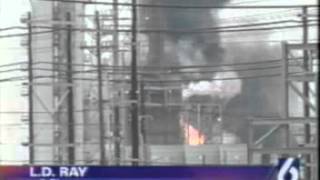
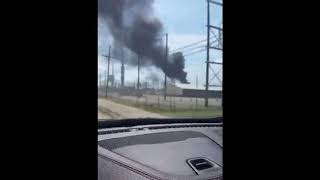
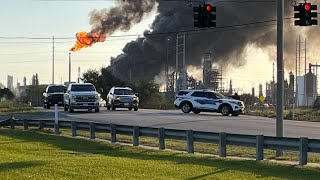
According to initial reports, the explosion occurred in the early hours of the morning, resulting in a significant fire and the evacuation of nearby areas. Emergency services responded swiftly to contain the blaze, and an investigation is currently underway to determine the cause. While no casualties have been reported so far, several workers have sustained injuries, and damage to the facility is extensive.
Industry sources indicate that the explosion has temporarily halted operations at the refinery, which processes approximately 335,000 barrels per day. This disruption is expected to have ripple effects across the supply chain, affecting gasoline and diesel prices regionally. The incident has also prompted a review of safety protocols at similar facilities nationwide.
Deep Analysis
The underlying causes of the explosion are being scrutinized, with initial theories pointing to equipment failure or a process safety lapse. Experts emphasize the importance of stringent maintenance and monitoring systems in preventing such incidents. The refinery's proximity to residential areas has also sparked debates about zoning regulations and the need for buffer zones to minimize risks to the public.
Stakeholder dynamics are complex, involving local government authorities, regulatory bodies like the Environmental Protection Agency (EPA), and Valero's corporate leadership. Each entity plays a role in ensuring operational safety and environmental compliance. Public scrutiny is expected to intensify, with community groups advocating for greater transparency and accountability.
Impact/Outlook
In the short term, the explosion is likely to cause fluctuations in fuel prices, as market players adjust to potential supply constraints. Analysts predict that the refinery will remain offline for several weeks, pending repairs and safety inspections. Long-term implications could include stricter regulatory oversight and increased investment in safety technologies across the industry.
The local community faces economic repercussions, with potential job losses and reduced municipal revenues. However, this incident may also catalyze policy reforms aimed at enhancing industrial safety standards and emergency response capabilities.
Practical Implications
For industry professionals, this incident underscores the critical need for robust risk management strategies and continuous safety training. Companies are advised to conduct comprehensive safety audits and invest in advanced monitoring technologies to mitigate operational hazards.
Community leaders and policymakers should engage in dialogue with industry stakeholders to address safety concerns and develop collaborative solutions. Public awareness campaigns can play a vital role in educating residents about emergency preparedness measures.
Key Takeaways
- The Valero Port Arthur explosion highlights the vulnerabilities in the energy sector’s operational safety.
- Initial investigations suggest equipment failure as a potential cause, emphasizing the need for rigorous maintenance protocols.
- The incident has led to temporary disruptions in fuel supply, impacting regional prices.
- Long-term outcomes may include stricter regulatory oversight and technological advancements in safety systems.
- Community engagement and policy reforms are essential to enhancing industrial safety and emergency preparedness.
- Stakeholders must prioritize transparency and accountability to rebuild public trust.